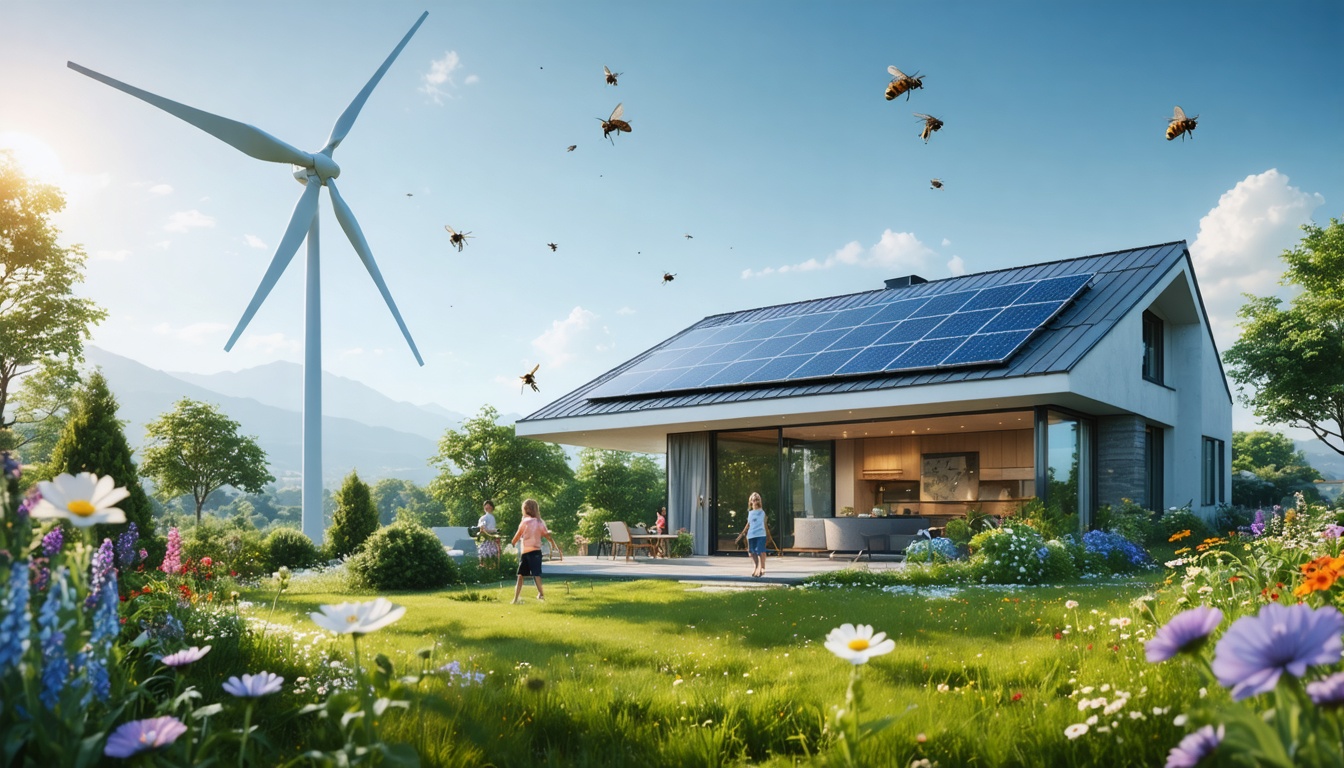
The Environmental Benefits of Choosing Renewable Energy at Home
Choosing renewable energy for your home represents a practical shift in energy sourcing that can contribute to environmental sustainability. Utilizing renewable energy sources, such as solar, wind, or hydroelectric power, can lead to decreased greenhouse gas emissions, thereby decreasing air pollution and its associated health risks. This transition also lessens the dependence on fossil fuels, which are finite resources that contribute to environmental degradation when extracted and consumed.
In addition to the environmental advantages, switching to renewable energy can have economic benefits. Over time, renewable energy sources often lead to lower utility bills due to decreased energy costs. Incentives provided by government programs may further enhance financial savings and increase the affordability of initial installations, such as solar panels.
Moreover, the transition to renewable energy can positively impact local communities. By investing in local renewable energy projects, communities can create jobs and stimulate local economies. This shift can foster greater energy independence, allowing communities to become more resilient to fluctuations in energy prices associated with traditional energy markets.
Overall, the adoption of renewable energy at home supports a broader commitment to environmental health, economic stability, and community development.
What Is Renewable Energy?
Renewable energy is generated from naturally available resources such as sunlight, wind, and geothermal heat, which can replenish themselves within a human lifespan. The increased utilization of renewable energy in residential and urban settings is associated with a reduction in carbon emissions and improved air quality.
Key technologies employed in the utilization of renewable energy include photovoltaic panels, wind turbines, and heat pumps. These technologies are designed to produce electricity and provide heating solutions while minimizing greenhouse gas emissions.
Transitioning to cleaner energy sources is essential for sustainable development as it reduces dependence on fossil fuels. This transition towards renewable energy aligns with initiatives aimed at achieving a Net Zero economy and has the potential to generate new employment opportunities within the sector.
Various countries, including the United States, have implemented policies to encourage the integration of renewable energy into their energy systems. This strategic shift contributes to environmental sustainability while also addressing concerns related to economic stability and energy security.
Reducing Greenhouse Gas Emissions
While fossil fuels remain a dominant energy source in many households, shifting to renewable energy at home directly addresses the challenge of greenhouse gas emissions. When you choose Residential Solar Panels in Palm Bay, heat pumps, or wind turbines, your Home produces little to no greenhouse gases during electricity generation or heating. This transition helps reduce carbon dioxide and other emissions, lowering your household's climate impact and aiding Sustainable Development Goals. Every city, economy, and supply chain that embraces cleaner, Derived from natural fuel sources helps move the United States and other Nations toward Net Zero. Action at home creates new electricity pathways, jobs, and reduces air pollution impacts per year.
Improving Air and Water Quality
Transitioning household energy supplies from fossil fuels to renewable sources can lead to a reduction in pollutants that impact both air and water quality. The implementation of renewable energy technologies, such as solar panels and wind turbines, generally results in lower annual carbon dioxide emissions tied to energy production. This shift can contribute to diminished air pollution levels and subsequently better urban air quality.
Electricity generated from sustainable sources tends to produce minimal air contaminants and greenhouse gas emissions, while decreasing dependence on fossil fuel power plants. This change is significant not only for improving air quality but also for conserving water resources. Renewable electricity generation methods and heat pump systems typically have a limited impact on water pollution.
As the United States and other countries increasingly adopt renewable energy, the resulting reductions in emissions and pollutants highlight the importance of this transition for environmental preservation. The movement toward renewable energy is a key strategy in efforts to enhance air quality and safeguard natural resources.
Supporting Biodiversity and Ecosystems
Household energy choices can have a measurable impact on local environments and biodiversity. Transitioning to renewable energy sources, such as solar panels, wind turbines, and heat pumps, can lead to a reduction in carbon emissions, including carbon dioxide and other greenhouse gases. This shift contributes to efforts towards achieving Net Zero emissions, which may result in lower levels of air pollution and a decreased reliance on finite natural resources, thereby reducing potential negative impacts on ecosystems.
The implementation of renewable energy technologies, including solar power and electric vehicles, can significantly lower greenhouse gas emissions. Such a transition not only supports the development of cleaner energy systems but also contributes to sustainability initiatives aimed at preserving biodiversity, particularly in urban environments and across different regions of the United States.
By adopting these energy alternatives, individuals can contribute to the maintenance of healthier ecosystems and assist in the protection of local wildlife.
Minimizing Health Risks Linked to Pollution
Energy choices play a significant role in influencing household health, especially concerning pollution levels. The adoption of renewable energy sources, including solar panels, heat pumps, and wind turbines, can lead to a notable reduction in exposure to air pollutants commonly linked to fossil fuel energy production.
The World Health Organization estimates that air pollution is responsible for approximately 7 million premature deaths annually. Renewable energy technologies generally result in minimal or no greenhouse gas emissions, contributing to enhanced air quality.
Transitioning to sustainable supply chains, electric vehicles, and Net Zero power plants is critical for the reduction of carbon dioxide emissions, particularly in the United States. Implementing these strategies can help move societies towards improved public health outcomes while also addressing broader climate change objectives.
Enhancing Climate Resilience
Incorporating cleaner energy technologies into residential settings can be an effective strategy to mitigate the risks associated with climate change. The installation of solar panels, heat pumps, and wind turbines can significantly reduce carbon emissions and greenhouse gases at the local level.
By utilizing renewable resources for electricity and heating, reliance on fossil fuel-powered plants is diminished, which leads to a reduction in overall carbon dioxide emissions and an improvement in air quality.
The adoption of sustainable energy practices also carries broader economic implications. These efforts support the transition toward a Net Zero framework, while also contributing to job creation in the renewable energy sector.
Resources such as solar, wind, and geothermal energy generally have a lower impact on greenhouse gas emissions, thus promoting better air quality and enhancing community resilience over time.
In conclusion, individual initiatives to integrate cleaner energy solutions can substantially contribute to addressing climate challenges, supporting both environmental sustainability and economic stability.
Lowering Reliance on Fossil Fuels
Transitioning households to renewable energy sources can reduce reliance on fossil fuels, which are still the dominant source of electricity in many areas. Technologies such as solar panels, heat pumps, and wind turbines contribute to a reduction in carbon dioxide emissions and air pollution.
Renewable energy sources typically produce low to no greenhouse gases during electricity and heat generation, which can result in better air quality and improve public health outcomes.
Efforts to achieve net-zero emissions can effectively decrease greenhouse gas emissions across various sectors of the economy, encouraging sustainable practices throughout supply chains.
This transition can also support the U.S. economy by decreasing dependence on finite fossil fuel resources and has the potential to generate job opportunities per million dollars invested in renewable energy initiatives.
Ultimately, the move toward renewable energy addresses environmental and economic issues associated with fossil fuel dependency.
Decentralizing electricity generation through the integration of renewable energy sources, such as solar panels, heat pumps, and wind turbines, can improve energy security and accessibility for households. This approach decreases dependency on imported fossil fuels and addresses vulnerabilities associated with supply chain disruptions.
In the United States and other countries, distributed energy generation has the potential to contribute to healthier urban environments and enhance the reliability of electricity and heating supplies, especially in regions that are more likely to experience energy shortages.
The shift toward sustainable energy sources is significant for strengthening community resilience and supporting the transition towards Net Zero emissions. Implementing these solutions can lead to reductions in carbon dioxide emissions and improvements in air quality, while also fostering greater community involvement in energy-related decision-making processes.
Additionally, moving away from fossil fuel reliance aligns with global objectives aimed at mitigating climate change and promoting energy independence. In summary, adopting decentralized energy generation represents a practical approach to enhancing both environmental sustainability and energy reliability.
Economic Advantages of Renewable Energy
Investing in renewable energy offers economic advantages that can affect both individual finances and overall economic trends. The implementation of technologies such as solar panels, heat pumps, and wind turbines reduces dependence on fossil fuels, resulting in lower electricity and heating costs in the long term.
This transition can lead to job creation in various sectors, thus positively impacting local and national economies.
Renewable energy technologies, including wind power and electric vehicles, are linked to reduced emissions of greenhouse gases. This shift can enhance air quality and contribute to the decrease in carbon dioxide emissions, addressing significant environmental challenges.
Furthermore, the availability of tax credits and financing options designed for sustainability provides additional motivation for investments in renewable energy. This aligns personal economic interests with broader objectives, such as reaching Net Zero emissions.
A comprehensive approach to renewable energy can help mitigate the effects of climate change while establishing a more resilient and sustainable energy infrastructure.
Conclusion
Choosing renewable energy for residential use can lead to a range of environmental benefits. Firstly, renewable energy sources, such as solar and wind, generally produce lower greenhouse gas emissions compared to fossil fuels, contributing to a decrease in overall carbon footprints. This reduction plays a role in mitigating the impacts of climate change.
Additionally, renewable energy generation helps protect air quality by significantly reducing pollutants associated with conventional energy sources. Improved air quality can lead to decreased health risks for individuals, particularly for vulnerable populations such as children and the elderly.
Utilizing renewable energy can also have positive effects on local ecosystems. For instance, minimizing reliance on fossil fuels can help preserve water sources and protect local wildlife habitats from the adverse effects of drilling and mining.
From an economic perspective, investing in renewable energy can foster local job creation within the green technology sector. This shift not only supports local economies but also contributes to energy independence, reducing reliance on imported fuels.
In summary, transitioning to renewable energy can promote sustainable environmental practices, enhance public health, stimulate economic growth, and facilitate long-term energy security. While the initial investment may be considerable, the long-term benefits can support a healthier planet and contribute to a more stable energy future. |